
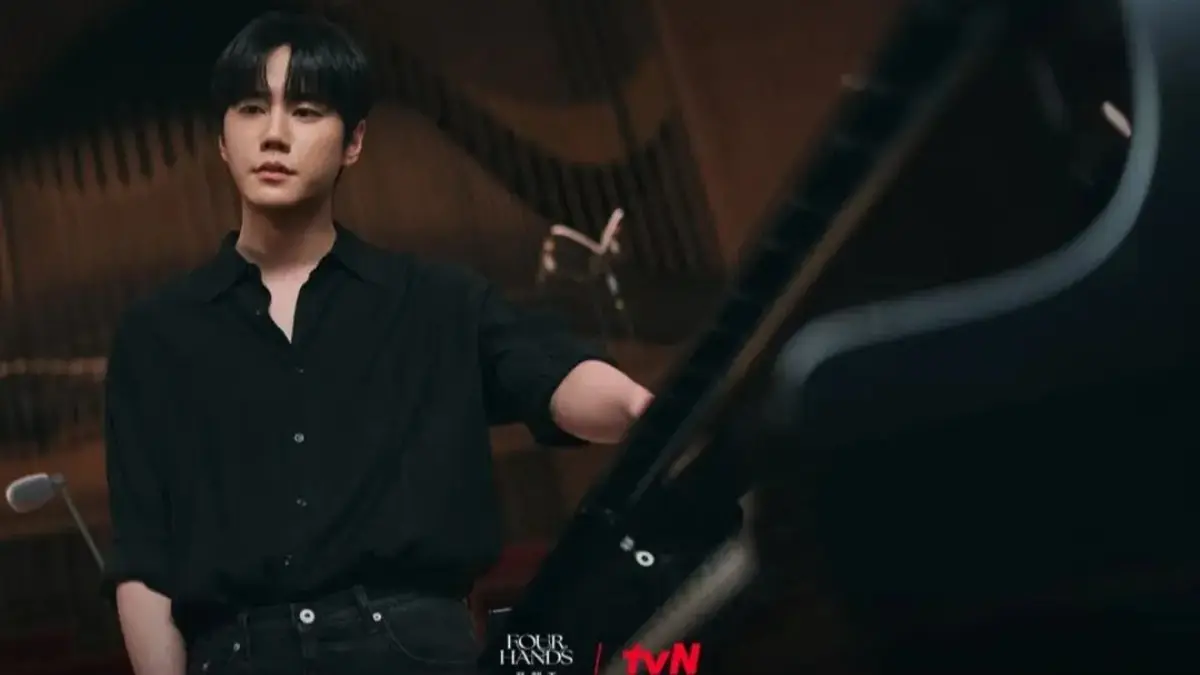
Choi Jeong-yo (Lee Jun-young) coming back after nine years should be a happy moment for Kang Pi-o (Song Kang) in Four Hands, Two Sonatas (2026). These two have known each other since they were ten, and by the time they reunited at eighteen, their friendship had already survived years of separation and plenty of pressure. Pi-o never really stopped looking for him, either.
But Jeong-yo’s return isn’t quite the reunion Pi-o imagined. There is a lot of hurt sitting underneath it, and Jeong-yo hasn’t exactly spent those missing years waiting to forgive everyone. His disappearance during the Prague competition left him with physical and emotional scars, and when he eventually learns what really happened, Pi-o becomes tied to a part of his life that he would probably rather forget. So why does Jeong-yo turn against his old friend in the second half of Four Hands, Two Sonatas?
Warning: This article contains spoilers.
1. Jeong-yo Feels Completely Betrayed by Pi-o
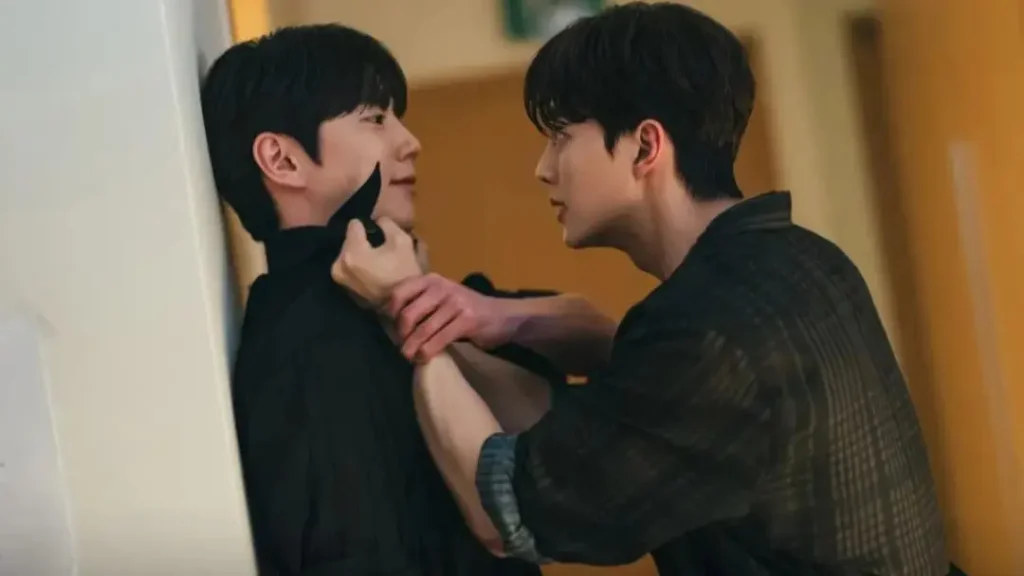
When the two friends reconnect at eighteen, Pi-o is already dealing with a lot. He has lost much of the joy he once found in playing the piano, while his grandfather constantly puts him down and questions whether becoming a pianist is even worth pursuing. Pi-o is struggling, and Jeong-yo can see that.
That is partly why Pi-o turns to him for help with the Prague competition. Jeong-yo, however, never had the same ambitions. He wasn’t chasing fame or trying to build a career out of competitions. For him, playing the piano was much more personal, especially because it was tied to the memory of his late mother and helped him deal with emotions he didn’t really know how to express otherwise.
Then everything goes horribly wrong. Jeong-yo goes through a terrifying ordeal during the competition and eventually discovers that Pi-o and his family were involved in the kidnapping plot. From his point of view, this isn’t just some friend making a terrible mistake. It’s a betrayal coming from the person he trusted most. And that changes the way he looks at their entire friendship.
2. He Wants Revenge for Everything That Was Taken From Him
The painful part is that Pi-o spends the next nine years trying to find Jeong-yo. He works to make his own money and eventually uses his savings to track him down. Pi-o clearly hasn’t forgotten his friend, even if Jeong-yo doesn’t know the full extent of what he has been doing. From Jeong-yo’s perspective, though, those years are filled with a completely different kind of pain.
The kidnapping leaves him with a serious shoulder injury, and the damage effectively ends his career as a pianist. That’s devastating for someone whose relationship with music was never just about winning competitions. The piano was one of the few things that gave Jeong-yo a sense of comfort and stability, and suddenly even that has been taken away from him. He still experiences physical pain when he pushes himself too hard, so the past isn’t really something he can just leave behind.
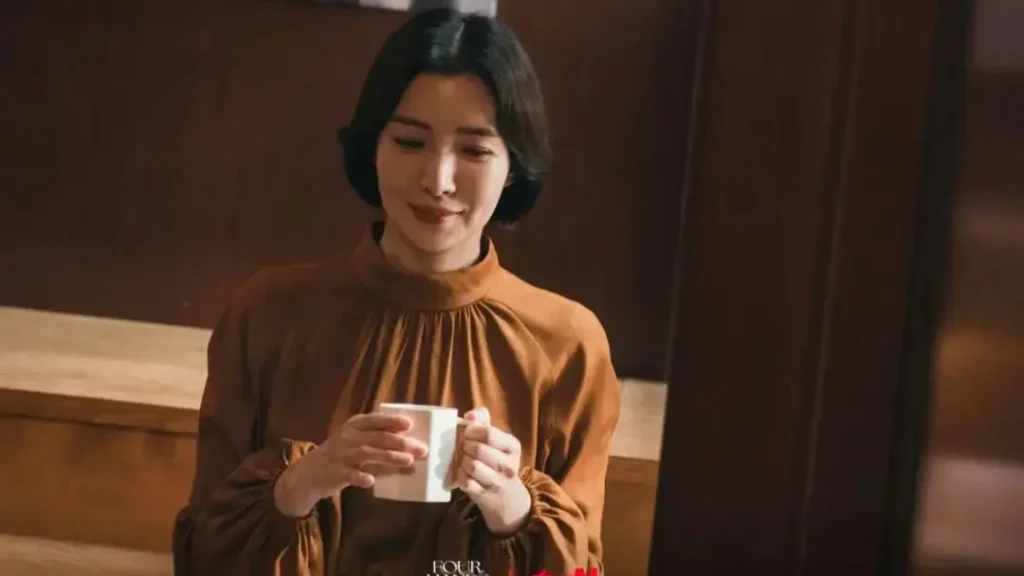
And the person ultimately responsible for setting the whole tragedy in motion is Pi-o’s mother, Kang Ji-hye (Yoon Se-ah). That’s where Jeong-yo’s anger becomes harder to separate from Pi-o himself. Even if Pi-o wasn’t the person who planned everything, he is still connected to the family that changed Jeong-yo’s life forever. Revenge starts to feel like the only way Jeong-yo can make someone answer for what happened to him.
3. Jeong-yo Starts Wondering If Pi-o Ever Really Valued Him

There is another part of this that hurts Jeong-yo, and it’s less obvious than the kidnapping. During their friendship, he watches Pi-o constantly struggle with his own confidence. Pi-o is surrounded by people who make him feel like he isn’t good enough, including his grandfather, who refuses to properly acknowledge his talent even after all of his competition wins.
Jeong-yo tries to be there for him. But as they get older, he also realizes that Pi-o’s family doesn’t exactly see him as someone who belongs in Pi-o’s life. They consider him a distraction, something that could get in the way of Pi-o’s future. Jeong-yo is trying to help his best friend while the people around that friend are essentially telling him to stay out of it.
After everything that happens, those memories take on a different meaning. Jeong-yo starts questioning whether their friendship was ever as important to Pi-o as it was to him. Did Pi-o really value him, or was Jeong-yo simply someone who happened to be there when Pi-o needed him?
That’s what makes Jeong-yo’s turn against Pi-o more complicated than a simple good-person-goes-bad storyline. He isn’t suddenly cruel for no reason. He has spent years carrying the consequences of something that destroyed the life he thought he was going to have, and much of that pain is tied to the one person he once trusted completely. There is still some empathy for Pi-o buried underneath all that anger, too, which makes his choices even messier.
Whether that remaining bit of compassion is enough to stop Jeong-yo from going all the way with his revenge is one of the bigger questions hanging over the second half of Four Hands, Two Sonatas.